 आश्विन ३०, २०८३ / 2026-10-16
 आश्विन ३०, २०८३ / 2026-10-16

Prominent Pakistani journalist and Chief Editor of Sada-e-Rus, Syed Ishtiaq Hamdani, has said that a country’s true identity cannot be understood solely through political news, international disputes or official statements. Its people, culture, traditions, human stories and everyday life are equally essential to understanding it.
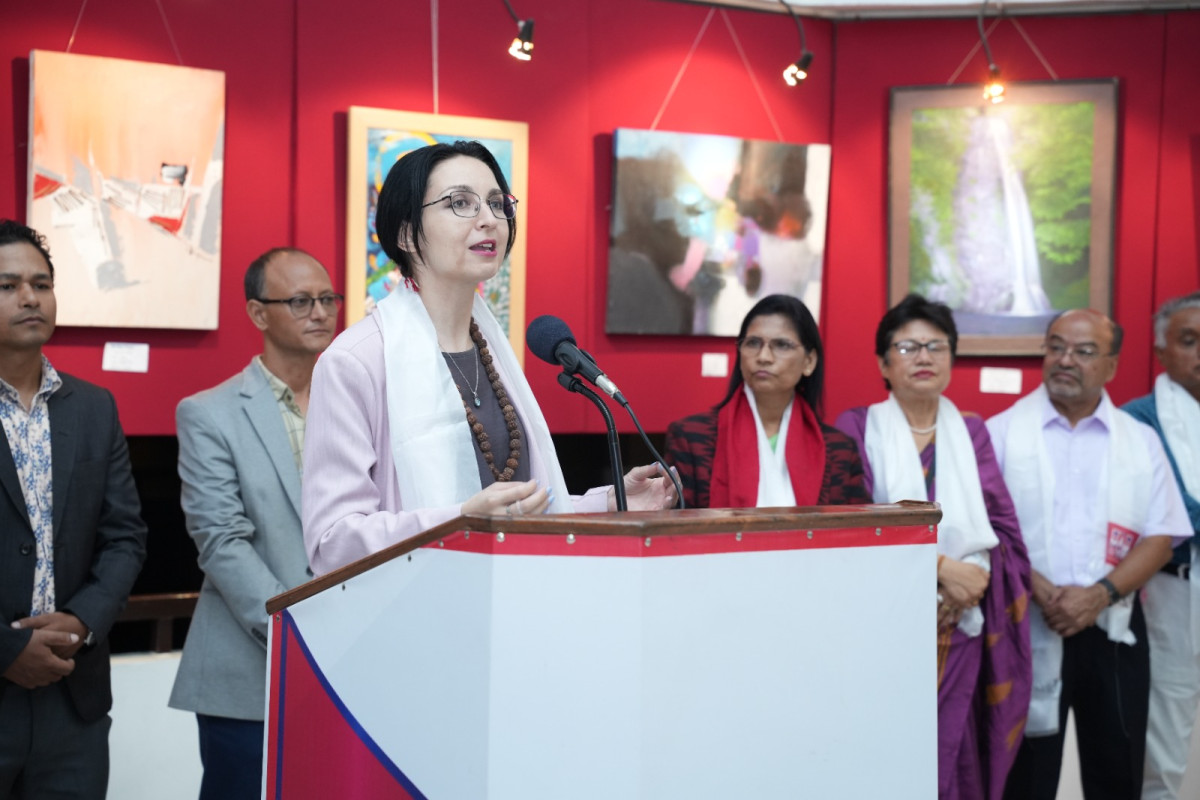
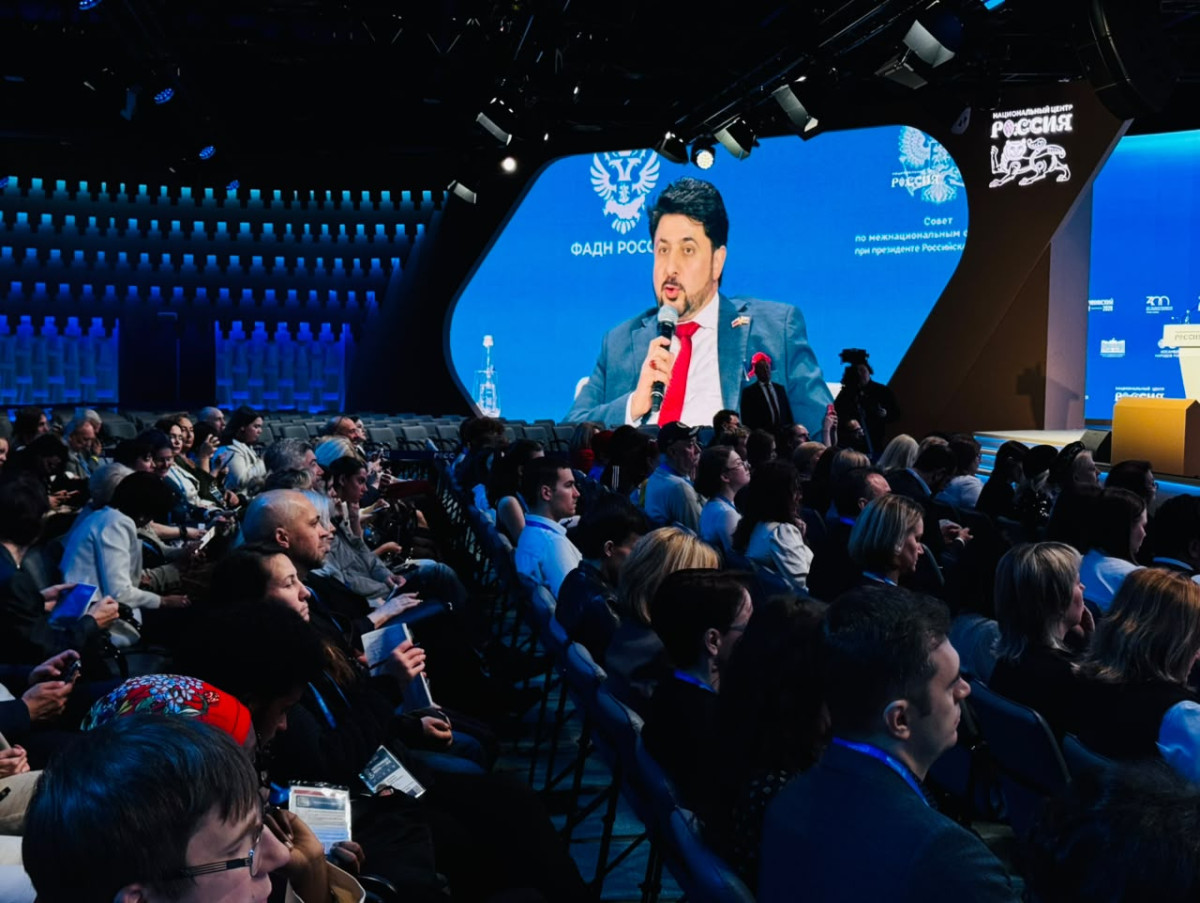
Speaking as an invited guest speaker at the Third International Ekaterininsky Forum in Moscow, Hamdani stressed that a balanced and comprehensive understanding of Russia requires international journalism to give appropriate attention to the cultural, educational, scientific and human dimensions of Russian society alongside political disagreements and conflicts.
Addressing the forum’s session on Russia’s media image, he drew on his years of living and working as a journalist in Russia to discuss the role of international media, information sovereignty, intercultural dialogue and the foundations of trust between nations.
He thanked the organisers for providing a platform where people from different countries, cultures and professional backgrounds could exchange views and develop a better understanding of one another.
Hamdani said that, as a journalist from Pakistan who had lived in Russia for many years, he had been able to observe Russian society, its people and its international relations closely, sharing those experiences with Pakistani and Urdu-speaking audiences.
That experience, he explained, had taught him that a country’s image is shaped not only by newspaper headlines and television reports, but also by the lives of ordinary people, their achievements, challenges and relationships.
He noted that international coverage of Russia frequently focuses on political disputes, economic sanctions, war, global security and relations with Western countries. While these subjects are important and must be examined, he argued that they cannot provide a complete picture of Russian society on their own.
Russia, he said, is home to many nationalities, religions, languages and cultures, with each city and region possessing its own history, traditions and identity. Teachers, students, artists, scientists, workers and other ordinary citizens have aspirations and face human challenges that people in other societies can recognise.
He urged international media organisations to give greater visibility to these experiences so that audiences abroad could understand Russia as a living, diverse society.
Referring to the 2018 FIFA World Cup hosted by Russia, Hamdani said the tournament illustrated how direct contact between people can influence perceptions of a country.
Before the competition, he recalled, international discussion had included concerns about security and terrorism. Russia nevertheless successfully hosted the tournament, welcoming football supporters from around the world.
Visitors travelled to different Russian cities, met local residents and experienced Russian hospitality, culture and daily life for themselves. Behind the event, he noted, was an extensive effort to provide security, transport, accommodation and other services for large numbers of supporters.
In his view, the tournament demonstrated the importance of personal encounters in challenging established assumptions. When people visit Russia and meet its citizens, they can form opinions based on their own experiences rather than relying entirely on accounts provided by others.
Hamdani also referred to the medical assistance Russia provided to Italy during the COVID-19 pandemic. He said international journalists should examine such events through the lens of humanitarian cooperation as well as their political and diplomatic significance.
Journalists, he suggested, should ask who benefited from the assistance, how specialists from different countries worked together and what practical difference their cooperation made to people’s lives.
Including these human dimensions, he said, allows a report to become more than a presentation of official statements. It can help audiences understand experiences that connect people across national boundaries.
Turning to his work for Pakistani and South Asian audiences, the Sada-e-Rus chief editor said that translating Russian news into Urdu was not, by itself, sufficient.
Responsible journalism, he explained, requires an understanding of the audience’s cultural background, interests and social context. Reports about events in Russia should use clear, accessible language and explain why those developments matter to people in Pakistan and the wider region.
He described journalism as an ongoing dialogue between journalists and their audiences, rather than simply a process of transferring information from one language to another.
Hamdani presented three practical proposals for improving international understanding of Russia through journalism.
First, he called for more reporting on Russia’s regions and the lives of ordinary citizens. Russia’s identity extends far beyond Moscow, he said, and its other cities, educational institutions, cultural centres and local communities deserve greater international attention.
Second, he encouraged joint projects between Russian and foreign journalists, including exchanges for young reporters, collaborative interviews and the production of news reports and documentaries in different languages.
Such initiatives, he said, could help reduce misunderstandings and stereotypes while strengthening professional trust between journalists from different countries.
Third, he emphasised credibility, fact-checking and the freedom to ask questions. A positive image of any country becomes convincing, he argued, when journalists can verify information, raise questions and discuss problems within society.
Hamdani said balance was fundamental to good journalism. Constantly presenting a country in a negative light does not constitute responsible reporting, but presenting only its achievements also fails to reflect reality fully.
Journalists, he said, should report honestly on both successes and difficulties. Professional freedom must be accompanied by professional responsibility.
Discussing information sovereignty, he said every society should have the right to tell the world about its own history, language, culture and identity. However, that right should be exercised through facts and reliable information.
Following his address, the session moderator asked how foreign citizens could gain a better understanding of Russia and become more familiar with its culture, traditions and everyday life.
Hamdani replied that the best way to understand Russia was to visit the country personally.
“In my view, to understand Russia, you should come to Russia, because the spirit, atmosphere and feeling of this country are very difficult to experience in the same way anywhere else,” he said.
Books, newspapers, television and social media can provide valuable information, he added, but personal observation is particularly important when trying to understand a country’s atmosphere, the attitudes of its people and its cultural life.
Travelling to different Russian cities, meeting ordinary residents and experiencing local culture, he said, can help visitors form their own independent opinions.
He acknowledged, however, that travelling to Russia is not possible for everyone. Visa requirements, travel costs, distance and other practical considerations can create obstacles.
For those unable to visit, he recommended exploring the activities of Russian Houses in their own countries. These centres, he said, offer opportunities to become acquainted with Russian language, music, literature, traditions and cultural heritage through educational, cultural and social programmes.
Hamdani specifically praised the work of Russian House in Karachi, highlighting its contribution to introducing Russian culture to Pakistani audiences.
Although he lives in Russia, he said he continues to follow Russian cultural activities in Pakistan. He recalled visiting Karachi approximately two years earlier and said he regularly followed Russian House Karachi’s programmes on social media.
The centre, he noted, organises a wide range of cultural and educational events that give Pakistani citizens opportunities to learn about Russian language, music, traditions and heritage.
Pakistan has a different cultural background, he observed, yet many people there are familiar with Russian songs and music. He presented this as an indication of the value of sustained cultural engagement.
“I would like to give the example of Pakistan. I am currently in Russia, but I follow the activities of Russian House Karachi on social media. Many programmes are organised there. Many people in Pakistan know Russian songs. This shows the importance of the cultural activities carried out by Russian House,” he said.
He added that the centre’s efforts to promote Russian culture in Pakistan deserved recognition and respect.
Institutions of this kind, he said, can strengthen people-to-people relations, mutual interest and cultural dialogue between the two countries. Music, literature, language and personal encounters offer meaningful ways to bring different societies closer together.
Concluding his remarks, Hamdani urged the international journalistic community to support constructive dialogue, accurate reporting and greater trust between societies.
Media can serve as a bridge between nations, he said, but that bridge cannot be built solely through political slogans, one-sided narratives or favourable publicity.
Genuine trust, he argued, requires truthfulness, mutual respect, accurate information and a willingness to listen to different points of view.
“Media can become a bridge between people and countries, but a strong bridge is not built with slogans. It is built through truth, respect and human dialogue,” he said.
He added that journalism’s purpose goes beyond delivering news about one country to audiences in another. It should also help people understand one another.
When reporting is grounded in facts, avoids prejudice and presents different aspects of society honestly, he said, it can bring people closer together.
Hamdani concluded that trust must be earned through honesty, openness, respect for facts and sustained dialogue. Good journalism, he said, does more than provide information: it builds the trust that makes mutual understanding between nations possible.